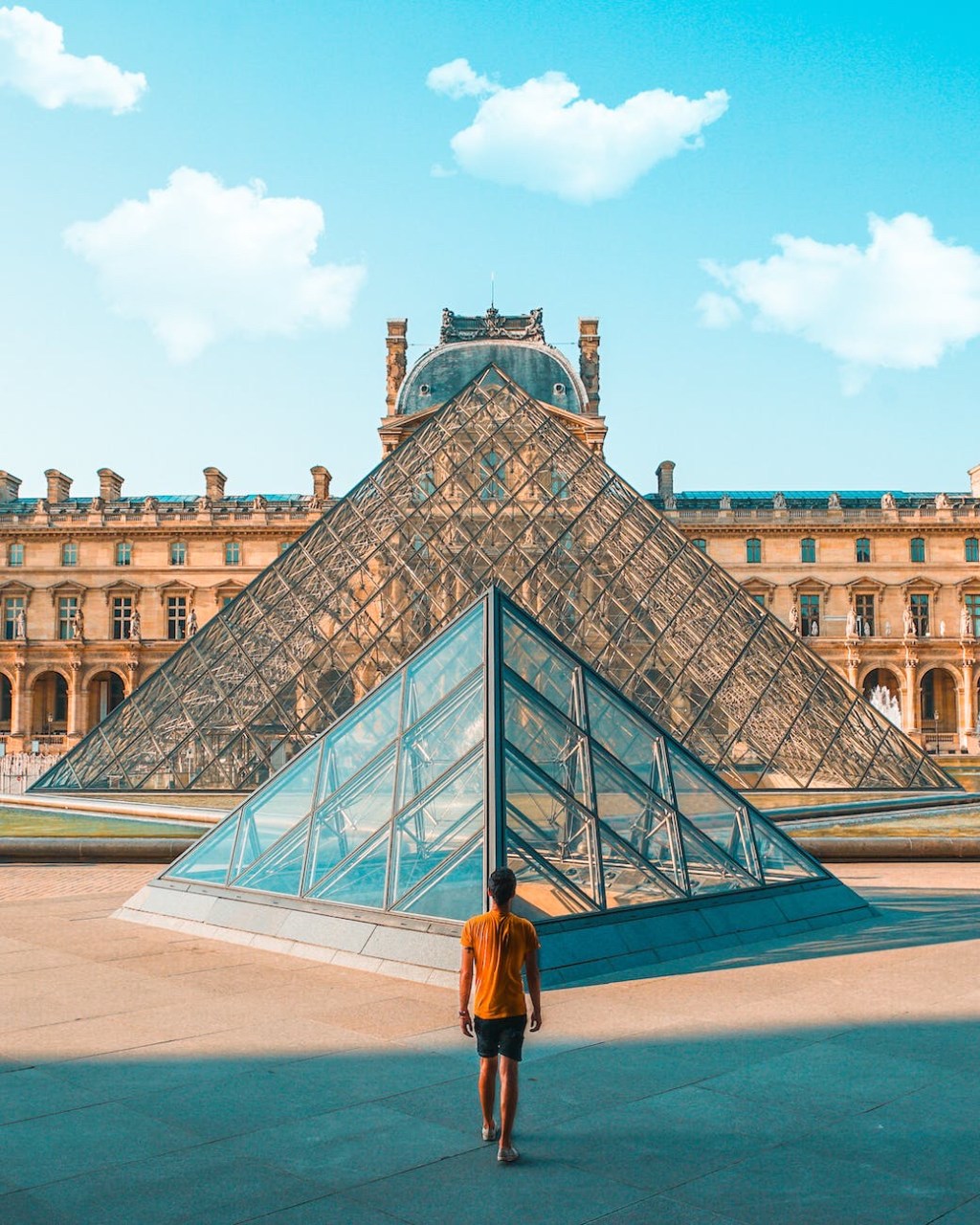
The Louvre is one of the world’s most famous and important art museums, located in Paris, France. The museum is housed in a former royal palace, the Palais du Louvre, which was built in the late 12th century.
The Louvre began as a fortress in the late 12th century under the reign of King Philip II. It was expanded over the centuries and served as a royal residence until Louis XIV moved his court to the Palace of Versailles in the late 17th century. The Louvre then became home to the royal art collection, which included some of the greatest masterpieces of European art.
In 1793, during the French Revolution, the Louvre was opened to the public as a museum. The museum’s collection was expanded significantly during Napoleon Bonaparte’s reign, when he seized art from across Europe and added it to the collection.
Over the centuries, the Louvre’s collection has grown to become one of the largest and most diverse in the world, with over 38,000 works of art on display. The collection includes everything from ancient Egyptian artifacts to modern and contemporary art, but it is most famous for its collection of Renaissance and Baroque art, including works by Leonardo da Vinci, Michelangelo, and Raphael.
The Louvre’s iconic glass pyramid was added to the museum in 1989, designed by architect I.M. Pei. The pyramid serves as the museum’s main entrance and has become one of the most recognizable symbols of Paris.
Today, the Louvre is one of the most popular tourist attractions in the world, attracting millions of visitors each year. The museum has continued to expand and evolve, with new galleries and exhibitions added regularly, and it remains one of the most important cultural institutions in France and the world.
 CitySpotlights™